How Garden Centers Sell Plants Online: A Practical Guide + How E-Commerce Connect Is Built for It
Selling plants online isn’t something to debate anymore—it’s already part of how people shop. The only real question is whether garden centers are set up to capture those sales or quietly lose them to someone else.
Most customers don’t begin their plant search by driving to a store. They start on their phone. They search for a specific variety, check availability, compare options, and often decide where they’re buying before ever stepping foot inside a garden center. If your plants aren’t visible in that moment, your store isn’t part of the decision.
For many garden centers, the first step into e-commerce is simply putting their existing inventory online. Platforms like Shopify and WooCommerce make that relatively easy. Houseplants, perennials, seasonal color, and garden goods all translate well to an online store. It feels familiar because it mirrors what’s already happening on the sales floor. But this approach has limits. Inventory changes quickly, and keeping the website accurate can become a daily struggle. Staff end up splitting their time between helping customers in-store and managing orders behind the scenes.
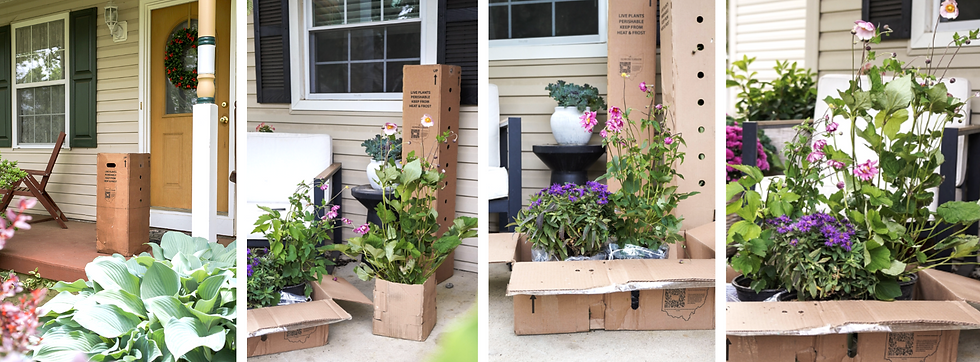
Local pickup and delivery help bridge that gap. Customers can shop online and either pick up their order or have it delivered within a set radius. It keeps fulfillment manageable and strengthens relationships with local customers, but it doesn’t extend your reach. You’re still tied to what’s physically in your greenhouse or on your benches.
The real expansion happens when garden centers stop thinking of their inventory as fixed.
Dropshipping has opened a different path—one that doesn’t require more space, more labor, or more risk. Instead of trying to stock everything, a garden center can connect its website to supplier catalogs and offer a much broader selection. When a customer places an order, the supplier ships the plant directly. The garden center remains the seller, keeps the customer relationship, and controls the brand experience, but never handles the product.
That model changes the math. It allows a single location to sell plants well beyond its local market.
It removes the pressure to predict demand and carry deep inventory. It turns missed sales—those moments when a customer asks for something you don’t have—into captured revenue instead of lost opportunity. Some independent garden centers are already proving this out quietly, adding meaningful online revenue without disrupting their day-to-day operations.
This is exactly where E-Commerce Connect comes in. It was built specifically for independent garden centers—not retrofitted from general retail e-commerce. The structure is designed around how garden centers actually operate, not how traditional online stores function.
Instead of asking a garden center to figure everything out on its own, it connects them to a network of vetted suppliers, synced product catalogs, and integrated systems that work directly with Shopify or WooCommerce. Product data, images, and availability flow from a single source, reducing the manual work that typically bogs teams down. Orders are routed to suppliers who handle fulfillment, while the garden center maintains control of pricing, margins, and the customer relationship.
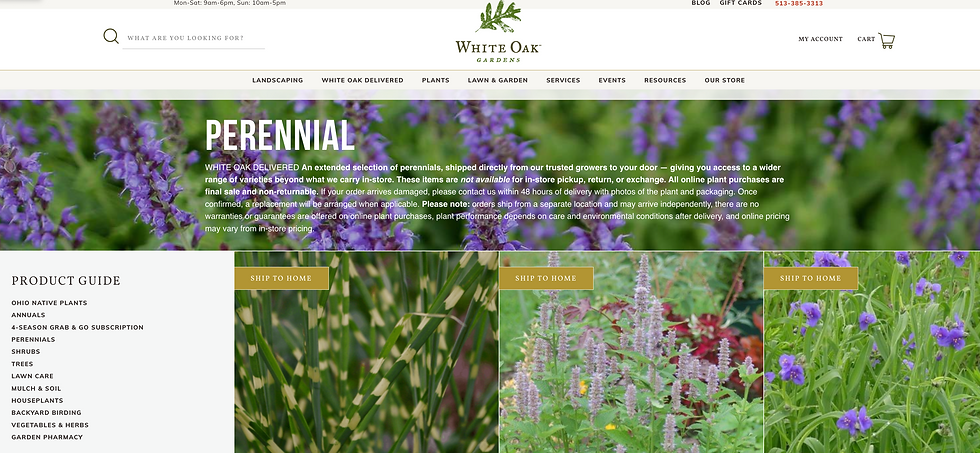
Below is a sample of one of our members in the dropshipping program - White Oak Gardens. They show their customers How It Works and created a Return Policy to offer assurance to their customer for the same quality and care, and what's really creative is that they now have, "White Oak Delivered" - Ship to Home.

It also accounts for the realities of selling plants online—things like state shipping restrictions, seasonal availability, and the nuances of live goods. These aren’t edge cases in the program; they’re built into how the system operates.
None of this works without structure behind it. A website alone won’t carry the weight. Product data needs to be accurate and consistent. Inventory has to sync. Orders need to route cleanly to the right supplier. Shipping rules and return policies have to be clear so customers know what they can and can’t buy. When those pieces are disconnected, the experience breaks down quickly.

There are a few realities that can’t be ignored. Plants are not simple products to ship. Regulations, climate differences, and perishability all add complexity. At the same time, trying to carry everything in-store to support online sales is inefficient and unnecessary. The demand is already there; customers are already buying plants online. The only variable is where those orders end up.
The garden centers that are succeeding aren’t doing anything flashy. They’re approaching it practically. They start with what they know, build a clean and functional online store, and expand their offering in a controlled way. They use suppliers to extend their reach instead of stretching their own operations too thin. Most importantly, they treat online sales as an extension of their existing business, not a separate one they have to reinvent from scratch.
Selling plants online doesn’t require becoming a tech company. It requires recognizing how customers behave and making it possible for them to buy from you when they’re ready. The infrastructure now exists to do that without overcomplicating the business.
The opportunity isn’t in building something entirely new. It’s in capturing the sales that are already happening—and making sure they happen through your garden center instead of someone else’s.


